
How to Stop Running Out of Popular Tyre Sizes (Without Overordering)
🕒 Reading time: 4 minutes
There’s nothing worse than turning away a job because you don’t have the tyre in stock — especially when it’s a common size you usually have.
But on the flip side, overstocking means piles of tyres sitting there, tying up your money and taking up space.
So how do you strike the right balance?
Let’s break it down.
💸 Why Running Out Costs You More Than You Think
Every time you say,
“We can get it in tomorrow,”
you risk losing the customer completely.
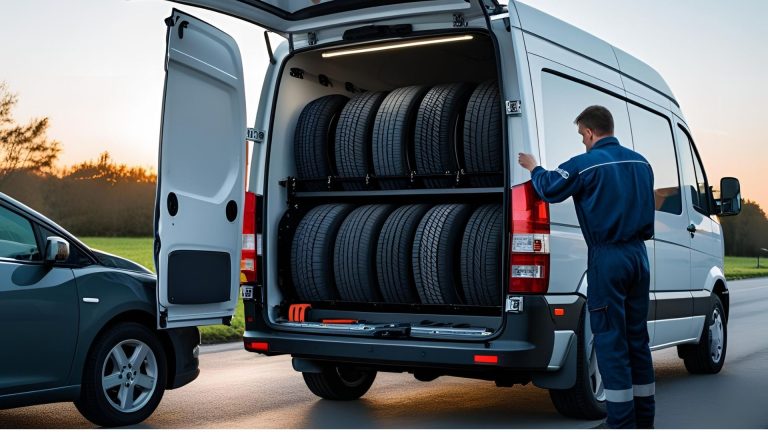
Whether it’s an emergency van job or a walk-in at the garage, people want fast service — and they’ll go elsewhere if you can’t deliver.
The real loss isn’t just the sale — it’s their future business, too.
🧯 But Overordering Is Also a Problem
Too much stock can hurt your business in other ways:
- 🔒 Ties up cash — money that could be used elsewhere
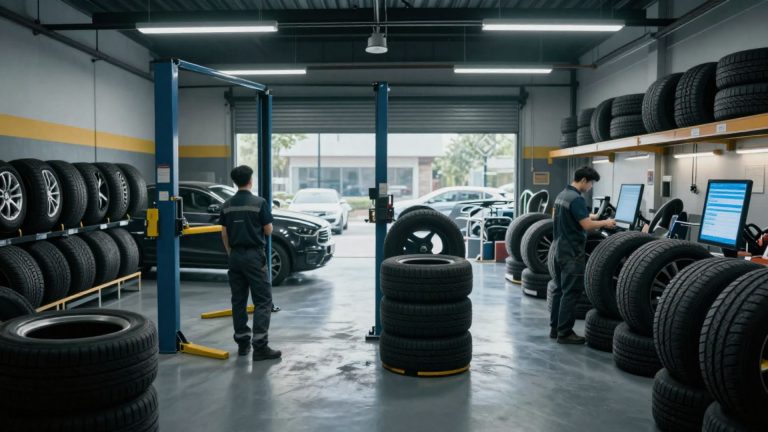
- 🧹 Takes up valuable space
- ⌛ Leaves you with slow-movers collecting dust
- 📉 Risk of tyres aging out before they sell
So don’t just order big because “you might need them.” Stock should be an asset — not a liability.
🔍 Step 1: Know Your Fast-Moving Sizes
Start simple:
What are your top 10 fastest-moving sizes?
Look back over:
- The last 2–3 months of invoices
- WhatsApp or SMS orders from mobile fitters
- Walk-in garage jobs
Even a quick tally on paper or whiteboard helps you spot patterns.
Common ones might be:
- 205/55R16
- 225/45R17
- 195/65R15
- Van sizes like 235/65R16C
Every garage will be different — but once you know your winners, focus your stock on them.
📋 Step 2: Set a Reorder Point
Pick a number that tells you:
⚠️ “When stock drops below this, reorder.”
Example:
If you sell 10x 205/55R16 per week, your reorder point might be 4.
When you hit 4, you top up to your preferred level (maybe 10–12).
Write it on your racking.
Or use a small spreadsheet or Trello board.
You don’t need fancy software — just consistency.
🔁 Step 3: Build a Weekly Reorder Habit
Pick one day a week to check stock and place your top-up order.
Many garages do this on:
- Friday afternoon (for Monday delivery)
- Monday morning (to reset the week)
Doing it weekly means:
- ✅ Less forgotten sizes
- ✅ Smoother stock flow
- ✅ Easier cash flow planning
🚚 Step 4: Use Wholesalers for Top-Ups (Not Bulk Buys)
Don’t feel pressured to order pallets of everything.
If you have trusted wholesalers with next-day delivery, use them smartly:
- Keep core stock on hand
- Use wholesalers to fill gaps quickly
- Focus bulk deals only on fast-movers or known brands
You’re not Amazon. You don’t need everything, every time.
Final Thought
Running a tyre shop means juggling space, cash, and customer expectations.
Get your stock right, and it all flows better:
- Fewer missed sales
- Faster turnarounds
- Happier customers
- Stronger cash flow
The secret?
Know your fast-movers. Reorder consistently. Stay lean — but not empty.