
How to Deal with Customers Who Only Care About Price (Without Dropping Yours)
🕒 Reading time: 4 minutes
“What’s your cheapest tyre?”
You’ve heard it a hundred times.
And if you’re not careful, you end up in a race to the bottom — slashing margins just to win the job.
But it doesn’t have to be that way.
This post will show you how to handle price-focused customers professionally, without always lowering your price — and still close the sale.
🧠 First, Understand Where They’re Coming From
Customers aren’t always being difficult — they just don’t know what else to ask.
They think tyres are all the same.
So they ask about the only thing they can compare: price.
It’s your job to shift the conversation.
✅ Offer Choice — Not Just the Cheapest
Instead of quoting one price, try this:
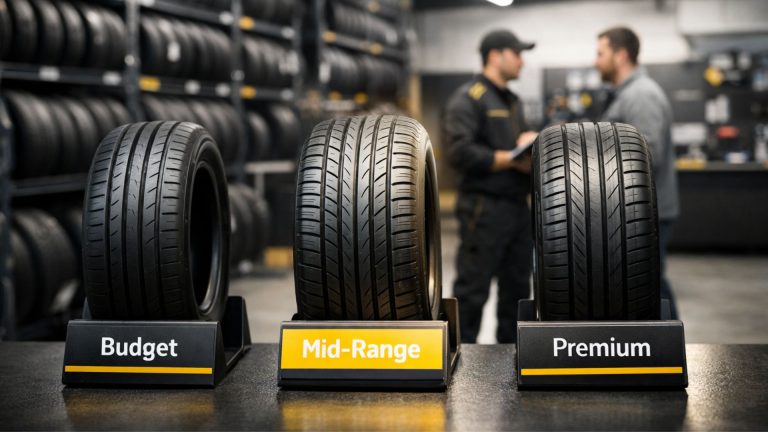
“I’ve got 3 options in your size — a budget, a mid-range, and a premium. Want me to talk you through them?”
This puts the focus back on value, not just price.
And suddenly, you’re not the same as every other fitter quoting £45 over the phone.
💬 Highlight the Extra Value You Bring
Remind them what they’re getting when they choose you:
- Fast fitting
- Trusted brands
- Mobile service
- Warranty or aftercare
- Google reviews or reputation
You’re not just selling rubber — you’re selling service.
A customer who sees the full picture is more likely to pay slightly more.
🚫 Don’t Be Afraid to Walk Away (But Do It Nicely)
Sometimes, they only care about price — full stop.
And that’s OK.
Here’s a polite way to stay firm:
“Totally understand — if price is the main thing, I might not be the cheapest. But I do get people coming back when the cheap tyres don’t last.”
Or:
“Happy to help if you change your mind — we always make sure it’s done right.”
This way, the door stays open — and you don’t lose self-respect.
🧪 Bonus Tip: Use a “Good-Better-Best” Pricing Strategy
Instead of quoting £50 and sounding expensive, try:
“I’ve got one at £42, a mid-range at £55, and a premium option at £68.”
Even if they pick the cheapest, it looks like their choice — not a negotiation.
And often, they go for the middle.
Final Thought
You don’t need to win every job.
You need to win the right ones — with customers who value your time, skill, and service.
By offering choice, explaining value, and staying confident, you can keep your margins healthy and keep customers happy.