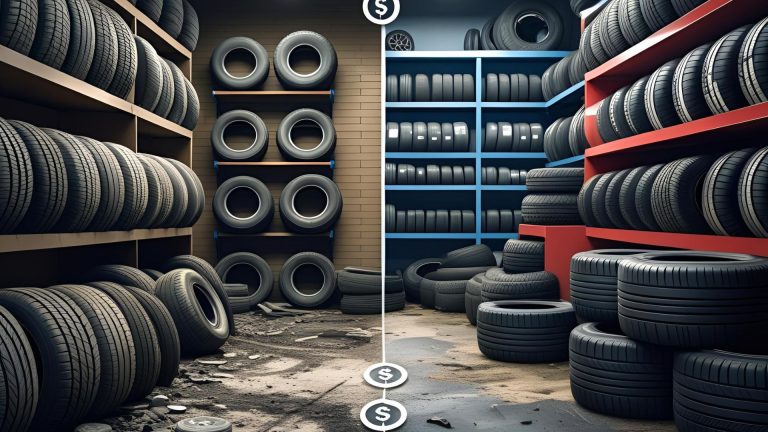

Why Cheap Tyres Aren’t Always the Best Deal
⏱️ Reading time: 4–5 minutes
Every tyre shop hears it:
“What’s your cheapest tyre?”
There’s nothing wrong with budget tyres — they have their place. But problems start when cheap becomes the only option the customer sees.
The truth is, the cheapest tyre is often not the best deal — and explaining that properly helps customers make better decisions and keeps your business profitable.
1. Cheap Tyres Often Cost More Over Time
- Wear out faster
- Poorer wet grip
- More noise complaints
- More returns and arguments
A tyre that’s £15 cheaper but lasts half as long isn’t saving money — it’s just delaying the next bill.
2. Customers Aren’t Wrong — They’re Just Uninformed
Most customers don’t understand tyres. They don’t know why prices differ or how long tyres last.
Your job isn’t to push — it’s to explain.
3. Explain Tyres in Plain English
Instead of technical terms, say things like:
“This one costs a bit more, but it lasts longer and stops better in the rain.”
4. Always Show Three Options
- Budget – cheapest option, shorter lifespan
- Mid-range – best balance of price and durability
- Premium – longest-lasting, quietest, best grip
Most customers choose the middle option when it’s explained clearly.
5. Use Real-World Examples
- “This one usually lasts about a year longer.”
- “We see fewer puncture issues with this brand.”
- “Taxi drivers tend to choose this because it lasts.”
6. This Builds Trust
Clear explanations reduce price arguments and improve satisfaction.
Final Thought
Selling better tyres isn’t about pushing prices up. It’s about helping customers understand value.